

Mini vs. Traditional Neck Lift — Finding the Right Fit for Your Goals
BACK TO BLOG
When Your Neck No Longer Reflects How You Feel
There comes a point for many people when the face in the mirror simply does not match the energy and confidence they feel on the inside. Loose skin beneath the chin, persistent banding along the neck, or a softened jawline can all create that disconnect — and it is one of the most common concerns addressed at Pacific Plastic Surgery in Vancouver. For patients exploring a neck lift near Vancouver, one of the first and most important decisions to understand is the difference between a mini neck lift and a traditional neck lift. These two procedures share a common goal but differ significantly in approach, recovery, and candidacy — and knowing which one aligns with your concerns can make all the difference.
How Each Procedure Works
A traditional neck lift is a comprehensive surgical procedure designed to address moderate to significant signs of aging in the lower face and neck. It typically involves incisions made behind the ears and often under the chin, allowing the surgeon to reposition deeper muscle layers (the platysma), remove or redistribute fat, and re-drape the overlying skin for a smoother, more defined result. The approach is thorough, targeting both surface and structural concerns simultaneously.
A mini neck lift, by contrast, uses smaller, more strategically placed incisions — often limited to the area just behind the ears or tucked discreetly beneath the chin. Because the access points are more limited, a mini neck lift is best suited for patients with earlier-stage laxity who want meaningful improvement without the commitment of a full surgical correction. The trade-off is scope: a mini lift refines, while a traditional lift restores.
Understanding these technical differences helps set realistic expectations and guides the conversation you will have during your consultation with Dr. Arko Demianczuk, a board-certified plastic surgeon with advanced fellowship training from Harvard Medical School and Massachusetts General Hospital.
Who Is the Right Candidate?
Candidacy for either procedure depends on the degree of skin laxity, the integrity of the underlying neck muscles, fat distribution, and overall skin quality. A mini neck lift is typically well-suited for patients in their late thirties to early fifties who have noticed early jowling, mild skin looseness, or a slightly undefined jawline but retain relatively good skin elasticity. These patients often feel their concern is “not bad enough” for surgery, and a mini lift bridges that gap effectively.
Traditional neck lift candidates tend to present with more pronounced platysmal banding (the vertical cords visible in the neck), significant skin excess, or deeper jowling that extends into the lower face. Patients who have already had a mini lift and find themselves wanting continued correction as they age may also be excellent candidates for the full procedure. Ideal candidates for both options are non-smokers in good general health with realistic expectations about outcomes.
Pacific Plastic Surgery welcomes patients from across the greater Vancouver area, including Burnaby, Langley, Surrey, and surrounding communities, for in-person consultations to determine which approach fits best.
The Benefits of Each Approach
The mini neck lift offers a shorter recovery period, typically one to two weeks, smaller scars, and a faster return to daily activities — making it a practical option for patients who cannot take extended time away from work or family. Results are natural-looking and can be long-lasting when the procedure is performed correctly.
The traditional neck lift, while requiring a longer recovery of two to four weeks, delivers more comprehensive and durable results. Patients with significant concerns consistently find that the investment in a full procedure eliminates the need for repeat treatments and addresses multiple aging factors in a single surgery. For many, the longevity of the outcome justifies the additional downtime.
What to Expect During Treatment
Both procedures are performed under anesthesia and typically completed within two to four hours, depending on complexity. Following surgery, patients can expect some swelling, bruising, and tightness — all of which gradually resolve over the following weeks. Compression garments are commonly used in the early healing phase to support the tissues and minimize swelling.
Dr. Demianczuk and the experienced team at Pacific Plastic Surgery guide patients through every stage of recovery with detailed aftercare instructions and follow-up appointments to monitor healing progress. Patients are encouraged to rest in the first week, avoid strenuous activity for four to six weeks, and protect incision sites from sun exposure during healing.
Results You Can Expect
Final results for a mini neck lift typically become visible within six to eight weeks as swelling subsides, revealing a smoother jawline and a cleaner neck profile. For a traditional neck lift, full results may take three to six months to emerge as deeper tissues settle — though patients generally notice dramatic improvement within the first month.
Both procedures can take years off the appearance of the neck and lower face. To get a sense of what is achievable, browsing the before-and-after gallery at Pacific Plastic Surgery offers a realistic look at patient outcomes across a range of concerns and age groups.
Take the Next Step Toward a More Defined Profile
Choosing between a mini and traditional neck lift is a personal decision — one that deserves a thoughtful, individualized conversation with a surgeon who understands both the art and the anatomy involved. Dr. Arko Demianczuk brings a depth of expertise that includes his MD with honors from Queen’s University, plastic surgery training from the University of British Columbia, and subspecialty fellowships at Harvard Medical School. He currently holds an appointment as Clinical Associate Professor at UBC and has served patients across Vancouver, Burnaby, Langley, Surrey, and beyond for many years.
If you are ready to explore your options, we invite you to contact Pacific Plastic Surgery to schedule your personal consultation. Our team is here to help you understand your choices, review your goals, and build a treatment plan that is right for you.
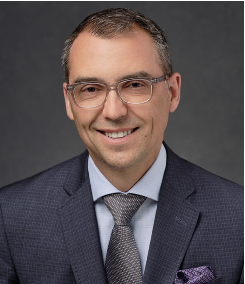
Dr. Arko Demianzcuk
Cosmetic, Plastic & Reconstructive Surgeon | BLOG
Dr. Arko Demianzcuk received his MD degree with honors from Queens University and his Plastic Surgery training (FRCS) from the University of British Columbia. His post-graduate education included subspecialty training in reconstructive surgery and cosmetic surgery at Harvard Medical School, Massachusetts General Hospital Boston. Dr. Demianzcuk has been appointed as Clinical Associate Professor at the University of British Columbia and served as Director of the UBC Resident Cosmetic Clinic for over a decade.Dr. Demianzcuk’s professional memberships include the Royal College of Physicians & Surgeons of Canada with subspecialty training in Plastic Surgery, the Canadian Society of Plastic Surgery, the Canadian Society of Aesthetic Surgery, the American Society of Plastic Surgery, and the Canadian Medical Association.

