


Rhinophyma is a chronic skin condition and a rare disorder that affects the nasal skin, causing progressive thickening, visible blood vessels, and bumpy skin on the nose. It is considered a severe form of rosacea, specifically the final and most severe stage of phymatous rosacea, and is thought to result from untreated, severe rosacea. The exact causes of rhinophyma are unknown, but certain risk factors, such as having severe rosacea, increase the likelihood of developing this rare disorder.
Rhinophyma is more common in males than females, usually developing between the ages of 50 and 70, but it can affect anyone. Some people with rosacea develop rhinophyma, but it can also occur in those without rosacea.
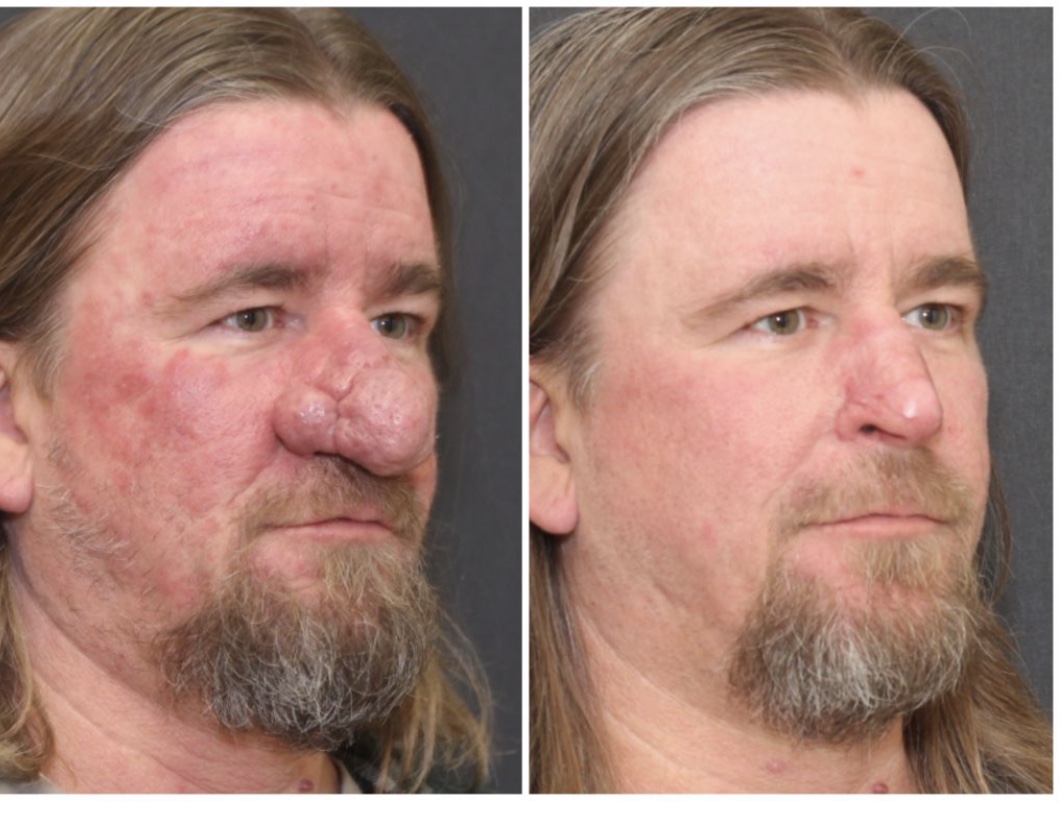
Rhinophyma develops slowly over several years, with symptoms becoming increasingly severe. Early symptoms, such as facial flushing or redness, may occur in cycles that gradually worsen. As rhinophyma progresses, the nose grows larger and appears red, bumpy, and bulbous, especially affecting the nasal tip and nasal skin. The condition can lead to permanent disfigurement and may restrict breathing if it obstructs the nasal passageway. Additionally, the condition may lead to chronic infection due to thickened fluid from sebaceous glands. Early treatment is important to prevent long-term damage that may require surgery.
Treating rhinophyma can help reduce the thickness of the skin and reshape the tip and base of the nose. Each case is carefully examined by Dr. Demianczuk to determine the best options in treatment.
Rhinophyma Surgeon in Vancouver
Rhinophyma Treatment
A range of treatment options are available to treat rhinophyma, and treatment consists of approaches tailored to the severity of the condition. Early or mild cases may be managed with medications such as oral or topical antibiotics and isotretinoin. However, advanced cases typically require surgical intervention or surgical treatments. Surgical excision involves shaving off excess tissue, with recovery times typically ranging from 1 to 3 weeks. In severe cases, patients may require more than one surgical procedure.
Rhinophyma surgery is performed under general anesthesia in our accredited surgical facility and typically takes around 1 hour to complete. It is considered an outpatient procedure. During the surgery, Dr. Demianczuk will sculpt and reshape the nose, removing any excessive tissue. After surgery, patients will need to wear a dressing on the nose, and will experience minor bleeding from the nose, as well as bruising and swelling around the nose and eyes. A topical antibiotic ointment will be applied twice daily to the nose until healed. This may take 7-14 days. It can take up to a full year for the nose to gain its final contour and softness.
Despite recontouring of the nose, recurrence of rhinophyma can occur, although this often takes several years, if it does occur at all. Concurrent medical management under the care of our Dermatologist is recommended to optimize the outcome.
Post-treatment skincare and diligent use of sunscreen are essential to promote healing and minimize recurrence. Recovery after rhinophyma treatment may involve mild swelling or redness that typically resolves within a few days to several months.
Symptoms of Rhinophyma
In the early stages, rhinophyma often shares symptoms with rosacea, including facial flushing and redness. These early symptoms, sometimes referred to as pre-rosacea or rhinophyma early stages, may overlap with vascular rosacea, which is characterized by swollen blood vessels and facial redness.
Early symptoms such as facial flushing, redness, and visible blood vessels can occur in cycles that gradually worsen over time. Skin inflammation, changes in blood vessels, and alterations in skin cells are involved in the progression of these symptoms.
Some of the most common symptoms to look out for include:
- Redness or flushing on the nose
- Facial flushing and visible blood vessels
- Enlarged pores and excessive oil glands due to thickened sebaceous glands
- Gradual increase in the size of the tip/base of the nose
- A bulbous appearance to the nose
- Thickened skin that can appear waxy, rough, or bumpy (bumpy skin)
- Changes in the underlying connective tissue contributing to the deformity
Diagnosing Rhinophyma
Doctors diagnose rhinophyma primarily through a physical examination, as the characteristic appearance of the nose often makes it easy to diagnose with a visual examination. During the assessment, Dr. Demianczuk will base his diagnosis of rhinophyma on the presence of primary and secondary features observed. In some cases, a skin biopsy may be performed to confirm the diagnosis of rhinophyma, especially to rule out skin cancer such as basal cell carcinoma. If left untreated, rhinophyma may obstruct the airways and increase the risk of skin cancer.
Before & After
Frequently Asked Questions
Is this linked to rosacea?
What causes rhinophyma?
What are the common signs and symptoms of rosacea:
How is rhinophyma diagnosed?
What treatment options are available for rhinophyma?
Can rhinophyma recur after treatment?
Who is most at risk for developing rhinophyma?
How long does it take for rhinophyma to develop?

Schedule your consultation
To find out how Rhinophyma procedure can help you meet your goals, contact Dr. Demianczuk.
Book a Consultation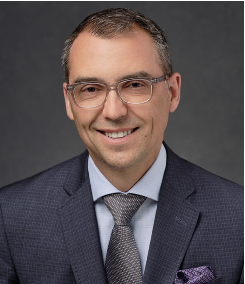
Dr. Arko Demianzcuk
Cosmetic, Plastic & Reconstructive Surgeon | BLOG
Dr. Arko Demianzcuk received his MD degree with honors from Queens University and his Plastic Surgery training (FRCS) from the University of British Columbia. His post-graduate education included subspecialty training in reconstructive surgery and cosmetic surgery at Harvard Medical School, Massachusetts General Hospital Boston. Dr. Demianzcuk has been appointed as Clinical Associate Professor at the University of British Columbia and served as Director of the UBC Resident Cosmetic Clinic for over a decade.Dr. Demianzcuk’s professional memberships include the Royal College of Physicians & Surgeons of Canada with subspecialty training in Plastic Surgery, the Canadian Society of Plastic Surgery, the Canadian Society of Aesthetic Surgery, the American Society of Plastic Surgery, and the Canadian Medical Association.

