

How Facelift Works, Science of Facial Aging: Understanding the Biology and the Surgery
BACK TO BLOG
Understanding how facelift works, the science of facial aging, and what modern surgical techniques actually address is the first step toward making a confident, informed decision. Facial aging is not a single event but a layered biological process involving skin, fat, muscle, and bone, each changing at its own pace over decades. Patients researching facelift surgery in Vancouver, British Columbia deserve a clear, clinically grounded explanation of what drives these changes and how a skilled surgeon addresses them at the structural level. This page is written for exactly that reader: someone who wants to understand the anatomy before committing to a consultation.
The Biology of Facial Aging: What Is Actually Changing Beneath the Surface
The science of facial aging involves four distinct tissue layers, and a thorough understanding of each is essential to appreciating how facelift works at its most fundamental level.
Skin and Collagen Loss
Beginning in the mid-twenties, collagen production declines at an estimated rate of approximately one percent per year. Elastin fibers, which give skin its recoil, also degrade progressively. The result is skin that becomes thinner, less resilient, and increasingly unable to conform to the shifting contours beneath it. Sun exposure, a significant factor for many Vancouver residents who spend considerable time outdoors year-round, can accelerate this process meaningfully.
Fat Compartment Migration
The face contains multiple discrete fat compartments, and research in facial anatomy has confirmed that these compartments descend and deflate independently with age. The malar fat pad, for instance, moves inferiorly, contributing to the appearance of deepened nasolabial folds and a flattened midface. This is not looseness of skin alone; it is a volumetric and positional shift within the tissue architecture.
Bone Resorption and Structural Change
Studies published in peer-reviewed plastic surgery literature have documented measurable loss of facial bone volume over time, particularly around the orbital rim, the midface, and the jaw. As this skeletal framework recedes, the soft tissue it once supported begins to descend and compress. This explains why surface-only treatments have inherent limitations and why surgical approaches that address deeper anatomy tend to produce more comprehensive, longer-lasting aesthetic improvements. Individual results may vary.
How Facelift Works: The Science Behind Modern Surgical Techniques
Contemporary facelift surgery bears little resemblance to older pull-and-tighten approaches that often produced an unnatural, windswept appearance. The science behind how facelift works today centers on anatomical precision and multi-layer restoration.
The SMAS Layer: The Foundation of Modern Facelift Surgery
The superficial musculoaponeurotic system, commonly referred to as the SMAS, is the fibromuscular layer that connects facial muscles to the overlying skin. Modern facelift technique involves repositioning and tightening this deeper layer rather than relying solely on skin tension. Because the SMAS is the primary structure that descends with age, addressing it directly allows the surgeon to restore position to fat compartments and soft tissue in a way that reflects natural facial anatomy. The skin is then redraped with minimal tension, reducing the risk of visible scarring and distortion.
Composite and Deep Plane Approaches
For patients with more advanced tissue descent, composite and deep plane facelift techniques release and reposition the soft tissue as a unified unit rather than as separate layers. Research suggests these approaches may offer more durable outcomes for appropriate candidates, as the repositioned tissue is secured in an anatomically correct plane. At Pacific Plastic Surgery Vancouver, Dr. Arko Demianczuk evaluates each patient individually to determine which technique aligns with their specific anatomy and aesthetic goals. Facelift is frequently combined with a neck lift performed by our Vancouver facelift surgeon to address the full facial and cervical unit comprehensively.
Why Skin Tension Alone Is Insufficient
Pulling on skin without addressing deeper structures creates tension that the tissue cannot sustain over time and can produce stigmata of over-correction. The science of facial aging confirms that the skin is a passenger in the aging process, not the driver. Effective surgery treats the cause, repositioning what has descended, and the skin follows naturally. Individual results may vary based on anatomy, age, and tissue quality.
Complementary Approaches: How Non-Surgical Treatments Support Surgical Results
At Pacific Plastic Surgery Vancouver, the surgical and non-surgical arms of the practice are designed to work together. Non-surgical treatments are not positioned as alternatives to facelift; rather, they serve a specific role in optimizing and extending surgical outcomes for appropriate patients.
Skin Quality and Surface Refinement
A facelift restores structural position, but the quality and texture of the skin surface is a separate variable. Treatments such as Morpheus8 non-surgical skin tightening in Vancouver use radiofrequency microneedling to stimulate collagen remodeling in the dermis. When used in the months following surgery, or as part of a pre-surgical optimization plan, these technologies may help improve skin texture, tone, and overall surface quality, contributing to a more refined overall appearance. Results vary by individual.
Volume and Texture Considerations
Because facial aging involves fat compartment deflation alongside descent, some patients benefit from combining surgical repositioning with adjunctive volume considerations. The practice also offers dermal fillers in Vancouver and Burnaby and advanced non-surgical cosmetic services in Vancouver and Burnaby as part of a broader, maintenance-oriented treatment relationship with post-surgical patients. The goal is a cohesive result that holds well over time, supported by an ongoing relationship between patient and practice.
Brow and Upper Face Considerations
Facelift surgery addresses the mid and lower face primarily. Patients with concurrent brow descent may benefit from a brow lift in Vancouver and Burnaby to address the upper third of the face in the same surgical episode. Dr. Demianczuk’s team conducts a thorough facial analysis at consultation to determine which combination of procedures aligns with each patient’s anatomy and goals.
Why Choose Pacific Plastic Surgery Vancouver in British Columbia
Dr. Arko Demianczuk leads Pacific Plastic Surgery Vancouver as the practice’s primary plastic surgeon, offering a full spectrum of surgical procedures across the face, breast, and body to patients throughout British Columbia. The practice is distinguished by the depth and integration of its clinical team, which includes a restorative gynecology surgeon and a cosmetic physician, allowing for a genuinely multidisciplinary approach to patient care. For patients considering facelift surgery, virtual consultation availability means that individuals from across the province can begin the evaluation process before traveling to Vancouver. The practice also maintains a dedicated male-specific procedure menu, recognizing that aesthetic goals and anatomical considerations differ by patient. You can review before and after results from Pacific Plastic Surgery Vancouver to develop realistic expectations.
Frequently Asked Questions
Am I a candidate for facelift surgery if I am in my forties?
Facelift candidacy is determined by anatomy, tissue quality, and aesthetic goals rather than age alone. Some patients in their forties with notable tissue descent may be appropriate candidates, while others may benefit from a different approach at that stage. A thorough in-person or virtual consultation with Dr. Demianczuk is the most reliable way to assess your specific anatomy and determine which surgical or combined approach aligns with your goals. Individual results may vary.
How long do facelift results typically last?
Research suggests that well-executed facelift surgery, particularly techniques that address the SMAS and deeper tissue layers, may produce results that persist for seven to ten or more years, though individual results vary considerably based on genetics, lifestyle, and skin quality. Aging continues after surgery, but patients generally maintain a more youthful appearance relative to where they would have been without intervention. Ongoing skin care and appropriate non-surgical maintenance may help extend outcomes.
What is the typical recovery period following a facelift?
Most patients experience a recovery period of two to four weeks before returning to professional and social activities, though this varies by individual, the extent of the procedure performed, and personal healing. Swelling and bruising are expected in the initial weeks and typically resolve progressively. Dr. Demianczuk’s team provides detailed, individualized post-operative guidance. Patients in Vancouver and throughout British Columbia are encouraged to discuss recovery planning at their consultation.
Is facelift surgery performed under general anesthesia?
Facelift surgery at Pacific Plastic Surgery Vancouver is generally performed under general anesthesia or deep sedation, depending on the scope of the procedure and the patient’s specific plan. This is discussed thoroughly during the consultation and pre-operative process so that patients have a complete understanding of what to expect on the day of surgery. Your surgical team will review all anesthesia considerations with you in advance.
Can facelift surgery be combined with other procedures?
Yes, facelift surgery is frequently performed in combination with complementary procedures such as neck lift, brow lift, or blepharoplasty in a single surgical session, depending on a patient’s anatomy and goals. Combining procedures can reduce overall recovery time relative to staging them separately. Dr. Demianczuk conducts a comprehensive facial analysis at consultation to determine which combination, if any, is appropriate for each individual patient.
If understanding how facelift works and the science behind facial aging has brought you to the point of considering a consultation in Vancouver, British Columbia, the team at Pacific Plastic Surgery Vancouver is ready to support your next step. Dr. Demianczuk and his multidisciplinary team offer in-person and virtual consultations for patients throughout British Columbia. Contact Pacific Plastic Surgery Vancouver today or call for details to schedule your personalized consultation.
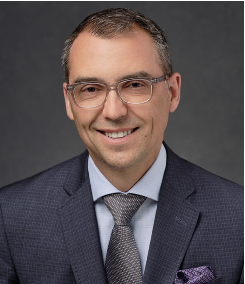
Dr. Arko Demianzcuk
Cosmetic, Plastic & Reconstructive Surgeon | BLOG
Dr. Arko Demianzcuk received his MD degree with honors from Queens University and his Plastic Surgery training (FRCS) from the University of British Columbia. His post-graduate education included subspecialty training in reconstructive surgery and cosmetic surgery at Harvard Medical School, Massachusetts General Hospital Boston. Dr. Demianzcuk has been appointed as Clinical Associate Professor at the University of British Columbia and served as Director of the UBC Resident Cosmetic Clinic for over a decade.Dr. Demianzcuk’s professional memberships include the Royal College of Physicians & Surgeons of Canada with subspecialty training in Plastic Surgery, the Canadian Society of Plastic Surgery, the Canadian Society of Aesthetic Surgery, the American Society of Plastic Surgery, and the Canadian Medical Association.

